How to Improve AC Efficiency During Extreme Summer Temperatures
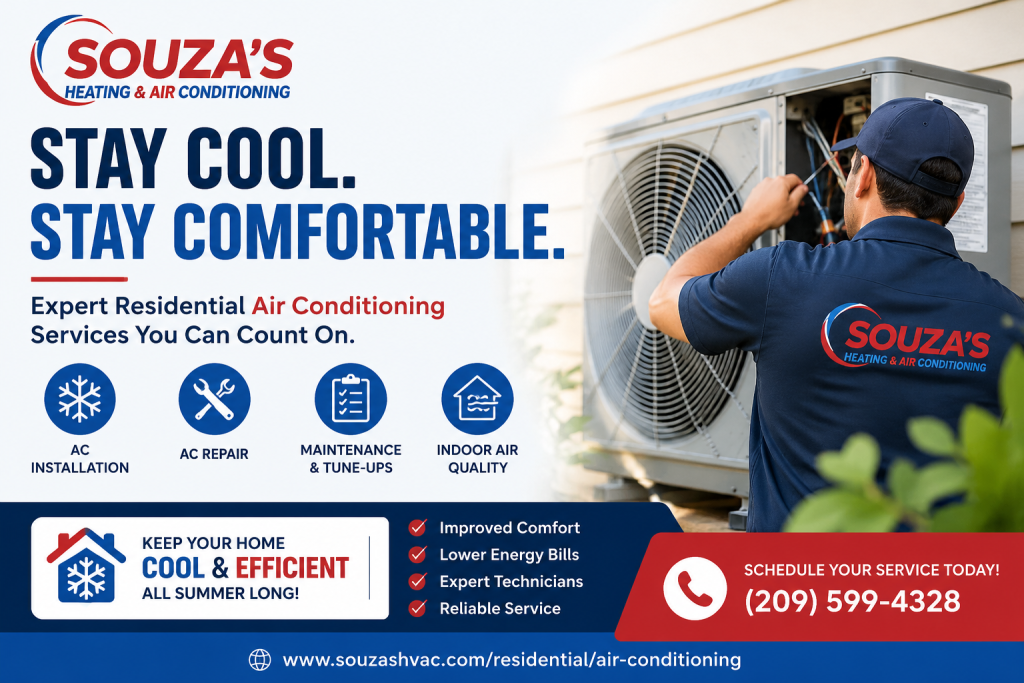
When summer temperatures soar, your air conditioning system works overtime to keep your home cool and comfortable. Unfortunately, extreme heat can also cause higher energy bills, poor cooling performance, and added strain on your HVAC system. The good news is that with the right maintenance and energy-saving strategies, you can improve AC efficiency and enjoy better indoor comfort all season long.
In this guide, we’ll cover practical energy efficient air conditioning tips for summer that help homeowners lower cooling costs while maximizing HVAC performance.
Why AC Efficiency Matters During Extreme Heat
During heat waves, air conditioners run longer cycles to maintain indoor temperatures. If your system is not operating efficiently, it can:
- Increase electricity consumption
- Reduce cooling performance
- Cause uneven temperatures
- Lead to expensive HVAC repairs
- Shorten system lifespan
Improving your AC efficiency not only lowers energy bills but also helps your system perform better under extreme summer conditions.
Change Air Filters Regularly
One of the easiest ways to improve AC efficiency is by replacing dirty air filters. Clogged filters restrict AC airflow, forcing your system to work harder to cool your home.
Benefits of clean air filters:
- Better airflow
- Improved indoor air quality
- Faster cooling
- Reduced energy usage
- Less strain on HVAC components
Experts recommend changing air filters every 1–3 months during heavy summer use.
Use a Smart Thermostat
Installing a smart thermostat is one of the most effective HVAC efficiency tips for homeowners.
Smart thermostats help:
- Automatically adjust temperatures
- Reduce unnecessary cooling
- Lower energy consumption
- Improve indoor comfort
- Track energy usage patterns
For maximum efficiency, set your thermostat between 76°F and 78°F during summer when you’re home.
Keep AC Coils Clean
Dirty evaporator and condenser coils can significantly reduce cooling performance. Dust and debris prevent your AC system from transferring heat effectively, making it harder to cool your home.
Signs of dirty coils:
- Weak airflow
- Warm air from vents
- Longer cooling cycles
- Higher electricity bills
Professional coil cleaning improves heat transfer and helps your system operate more efficiently during extreme temperatures.
Improve Airflow Throughout Your Home
Proper AC airflow is essential for maintaining consistent temperatures and reducing HVAC strain.
Ways to improve airflow:
- Keep vents open and unobstructed
- Clean supply and return vents
- Use ceiling fans to circulate cool air
- Seal air leaks around doors and windows
- Inspect ductwork for blockages
Better airflow allows your air conditioning system to distribute cool air more effectively.
Seal and Insulate Your Home
Poor insulation allows cool air to escape and hot air to enter your home. This forces your AC to run longer and increases cooling costs.
Key areas to seal:
- Windows
- Doors
- Attics
- Crawl spaces
- Ductwork connections
Adding insulation and sealing leaks can dramatically improve energy efficiency during summer.
Schedule Professional AC Maintenance
Routine HVAC maintenance keeps your air conditioning system operating at peak efficiency.
Professional AC tune-ups typically include:
- Refrigerant level checks
- Thermostat calibration
- Coil cleaning
- Air filter inspection
- Electrical component testing
- Airflow evaluation
Preventative maintenance helps identify issues early and reduces the risk of breakdowns during extreme heat.
Use Ceiling Fans to Reduce Cooling Costs
Ceiling fans help circulate cool air and reduce the workload on your AC system. While fans do not lower room temperature, they improve comfort by creating a wind-chill effect.
This allows homeowners to raise thermostat settings slightly without sacrificing comfort, helping lower energy bills.
Avoid Heat Build-Up Indoors
Reducing indoor heat sources can improve cooling efficiency.
Simple ways to reduce indoor heat:
- Close blinds and curtains during peak sunlight
- Avoid using ovens during hot afternoons
- Switch to LED lighting
- Run appliances during cooler evening hours
Less indoor heat means your AC system won’t have to work as hard.
Frequently Asked Questions
1. How can I make my AC cool faster?
To help your AC cool faster:
- Replace dirty air filters
- Clean vents and coils
- Use ceiling fans
- Keep doors and windows closed
- Install a smart thermostat
These steps improve airflow and overall cooling performance.
2. Does changing air filters improve efficiency?
Yes. Dirty air filters restrict airflow and force your HVAC system to work harder. Replacing filters regularly improves AC efficiency, indoor air quality, and energy savings.
3. What thermostat setting is best in summer?
Energy experts recommend setting your thermostat between 76°F and 78°F while home during summer for the best balance of comfort and energy efficiency.
4. Can dirty coils affect cooling performance?
Absolutely. Dirty coils reduce heat transfer, causing your AC to cool less effectively and consume more energy. Regular coil cleaning improves system efficiency and cooling power.
5. How do I reduce summer cooling costs?
You can reduce cooling costs by:
- Using a smart thermostat
- Changing air filters regularly
- Sealing air leaks
- Scheduling AC maintenance
- Improving insulation
- Using ceiling fans
These energy efficient air conditioning tips for summer help lower electricity bills while maintaining comfort.
Final Thoughts
Extreme summer temperatures can put significant stress on your air conditioning system, but proper maintenance and smart energy-saving habits can make a major difference. By following these HVAC efficiency tips, homeowners can improve AC efficiency, enhance cooling performance, and lower energy bills throughout the hottest months of the year.Investing in routine AC maintenance, better airflow, and smart cooling strategies will help keep your home comfortable while extending the life of your HVAC system.

Need HVAC Service?
Contact the experts at Souza’s today.